

Spotlight on Landscape Architecture and Public Art with Mills & Wright
It's no secret that we're big fans of public art here at Business & Arts NL. From our Explore Art NL public art app and Quid Vidi Art Search initiative to the Our Creative Home mural and artist in residence program, we value the many benefits public art brings to individuals and communities, including invigorating public spaces, reflecting our history and evolving culture, and bringing us closer together through shared memories and conversations.
Local businesses, like Mills & Wright Landscape Architecture (which is celebrating their 10th anniversary this year), see the value of public art, too. Over the past decade, their team has been dedicated to creating outdoor environments that bring people together, weaving public art into many of their plans and placemaking projects, including the Adult Mental Health and Addictions Centre, the St. John's International Airport's grounds revitalization, the Dobbin Memorial Garden and the National War Memorial revitalization.
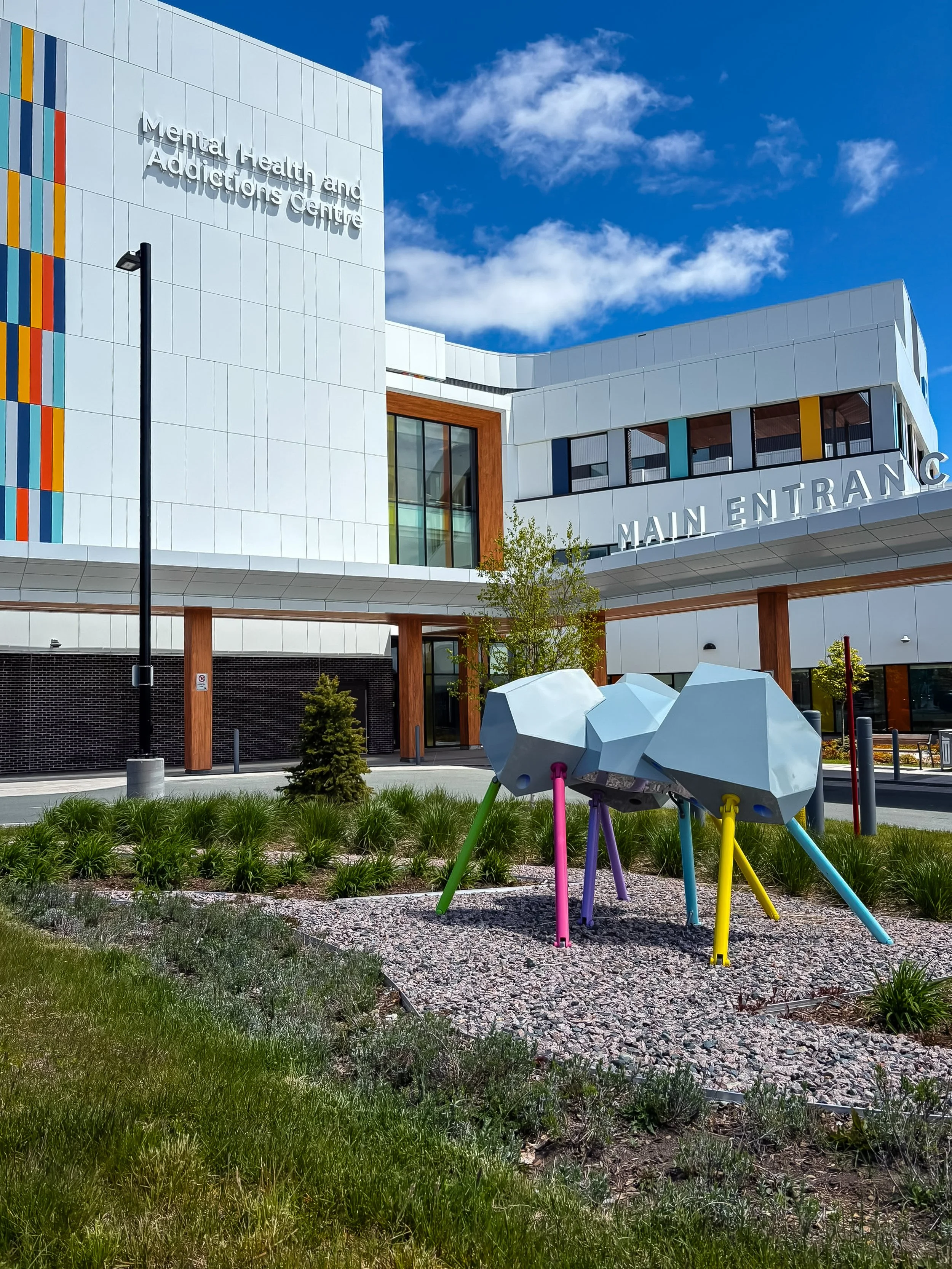
Mental Health and Addictions Centre (collaborative project by artists Robert Hengeveld and Marcia Huyer).
Matthew Mills, partner, planner and landscape architect at Mills & Wright, recently shared with Business & Arts NL about the importance of collaboration and the value of creativity in design and public art within built environments.
Business & Arts NL: Why is public art important? What does it bring to outdoor spaces? Are there any dream projects or initiatives you've seen elsewhere that you'd love to see in Newfoundland and Labrador?
Matthew Mills: Public art is an expression of culture, history and community identity - it says, “This is who we are.” It reflects the stories, values and experiences that make a place unique - things that might not otherwise be visible in the landscape or built environment.
Beyond its artistic value, public art helps make places more inviting, engaging and memorable. It creates an emotional connection between people and place, transforming a public space into somewhere people genuinely care about and enjoy spending time in.
The most successful examples, in my view, are those that are fully integrated into the public realm rather than treated as standalone objects. When art is woven into the design of a street, park, trail or public space, it becomes part of the everyday experience. People interact with it naturally, and it helps tell the story of a place in a way that feels authentic and accessible.
In Newfoundland and Labrador, the opportunities for this kind of storytelling are enormous. We have a rich culture, a remarkable landscape and a deep sense of identity shaped by our heritage, humour, resilience and connection to place. There are countless stories here that deserve to be celebrated and shared, and public art provides a meaningful way to bring those stories into the open through the spaces we create.
I would love to see a project that puts public art in a prominent role – a larger than life sculpture or element that makes people stop in their tracks, and brings an unexpected moment of joy, like these from CCxA:
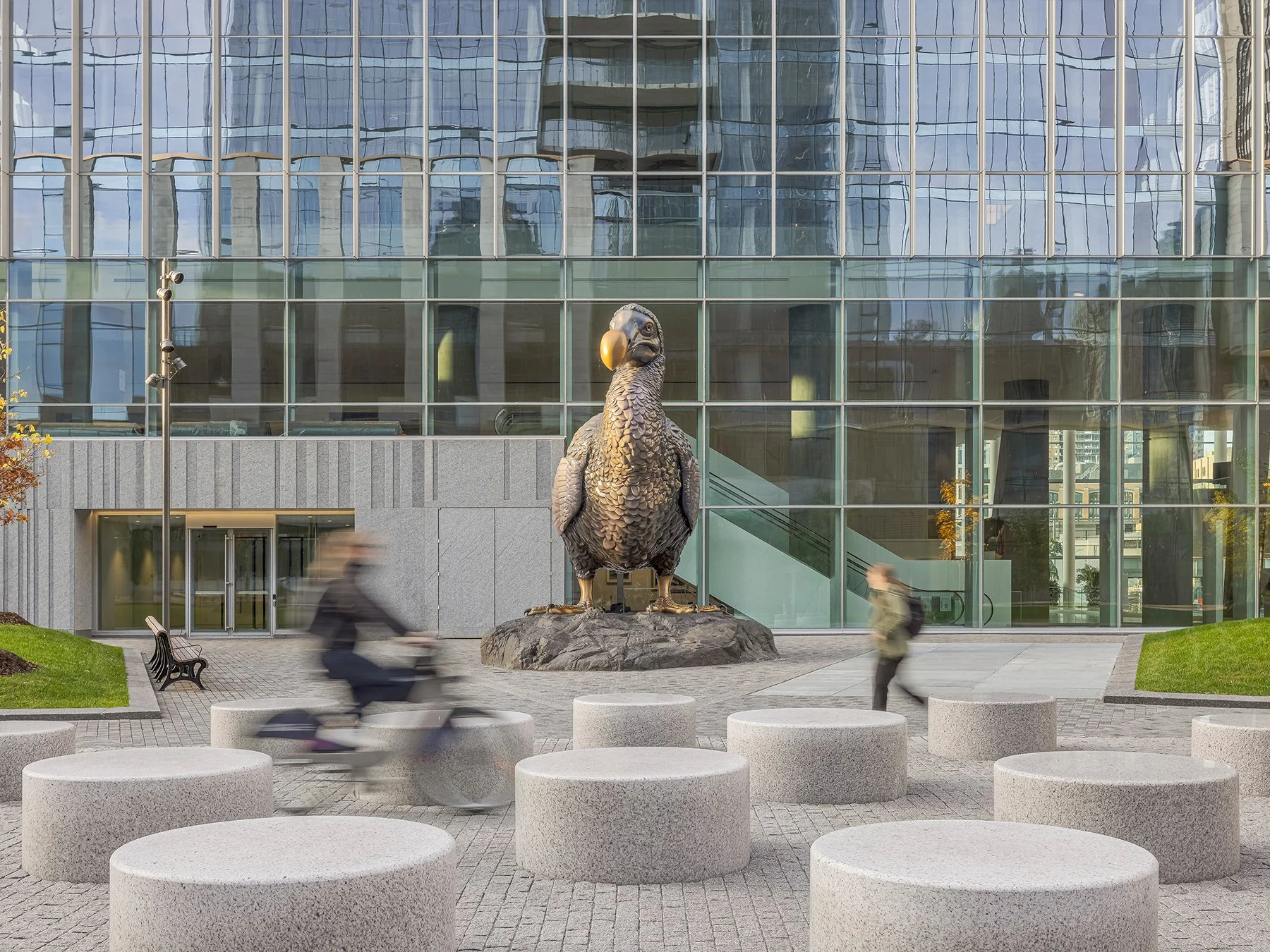
National Bank Place / Parc Michel-Bélanger, Montreal, QC, 2018 — 2024.
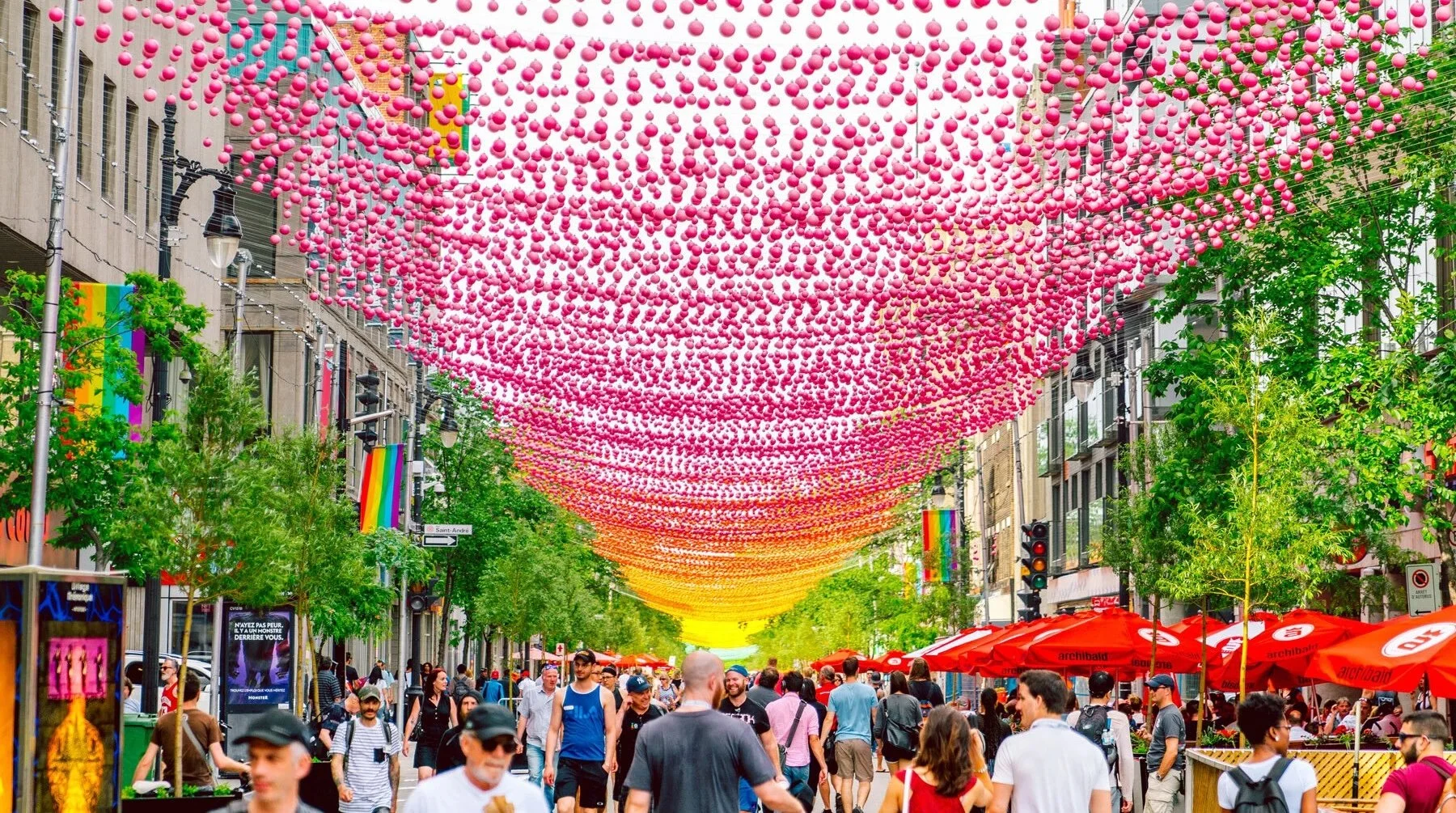
18 Shades of Gay, Montreal, QC, 2017 — 2019.
Business & Arts NL: What does "good design" mean to you and why is it important?
Matthew Mills: To us, good design is deeply rooted in place. The most successful projects reflect the character, history, culture and unique qualities of the community they serve. What works in Toronto is not necessarily what will work here, and the best designs recognize and embrace those differences rather than trying to replicate something from another place.
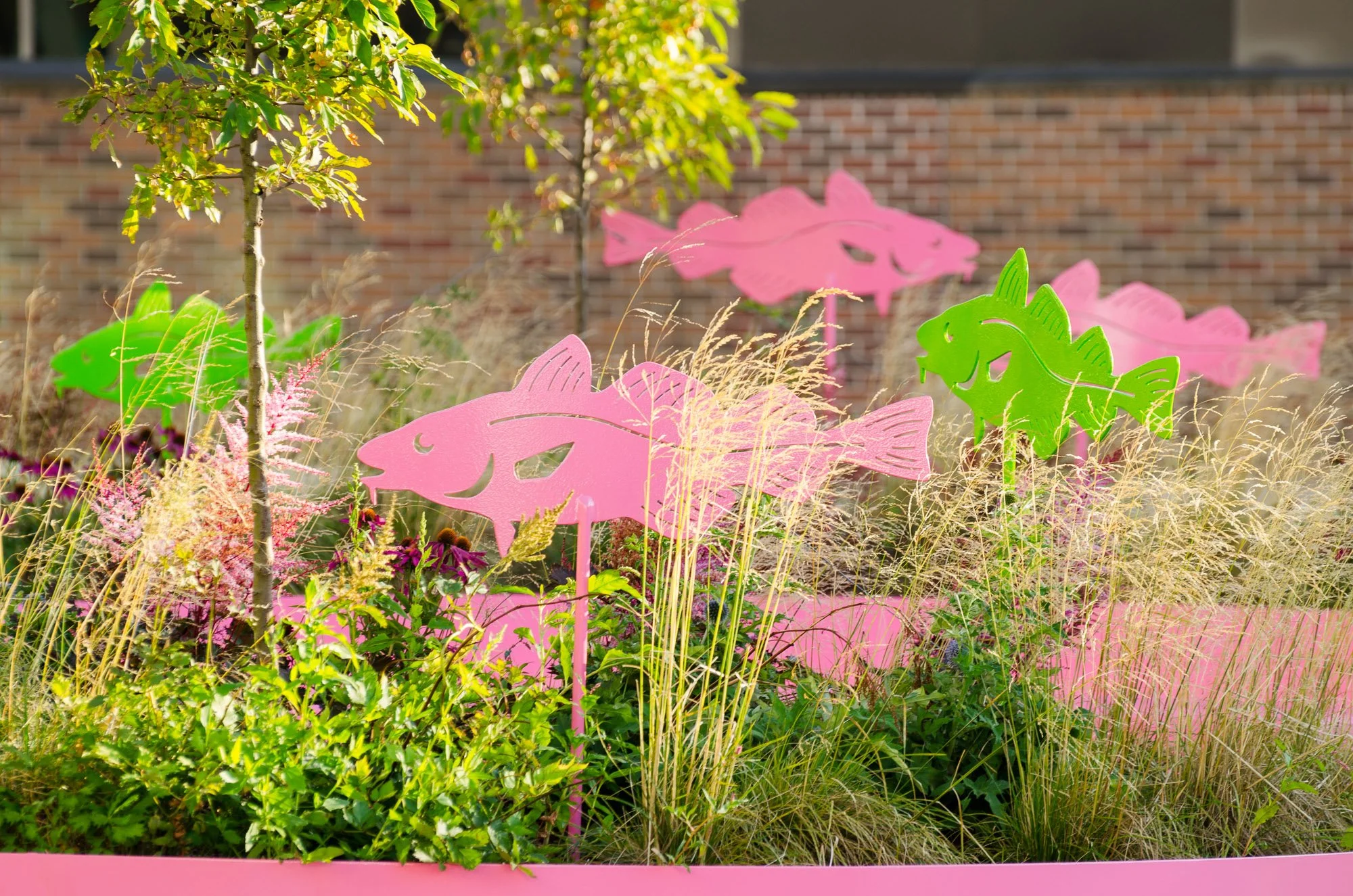
Janeway Children's Hospital (artist: Mills & Wright).
It really starts with understanding local context - listening to the community, learning its stories and identifying what makes it unique. From there, the challenge is finding creative ways to reveal and celebrate those qualities through the design. When done well, the result is a space that feels authentic and gives the community something that truly belongs to them.
At the same time, good design is not just about aesthetics or identity; it also needs to function well. It considers how people move, gather, play and experience a place, creating environments that are both practical and enjoyable to use.
Ultimately, I believe good design strengthens a community's sense of place. It creates environments that people connect with, take pride in and want to spend time in - places that feel meaningful because they reflect the people and landscapes that make them unique.
Business & Arts NL: Is landscape architecture a creative profession? What keeps you curious and inspired after 10 years? How has your work changed over time, and what has stayed constant?
Matthew Mills: Landscape architecture is an incredibly creative profession, and creativity shapes our work every day. Every site, community and project presents a different challenge that requires a unique response. What I love most about the profession is that it sits at the intersection of art, aesthetics, science, ecology and human experience. The creative process is rarely about a single big idea; it is about weaving together all of those considerations to create places that feel welcoming, inclusive, engaging and connected to their communities.
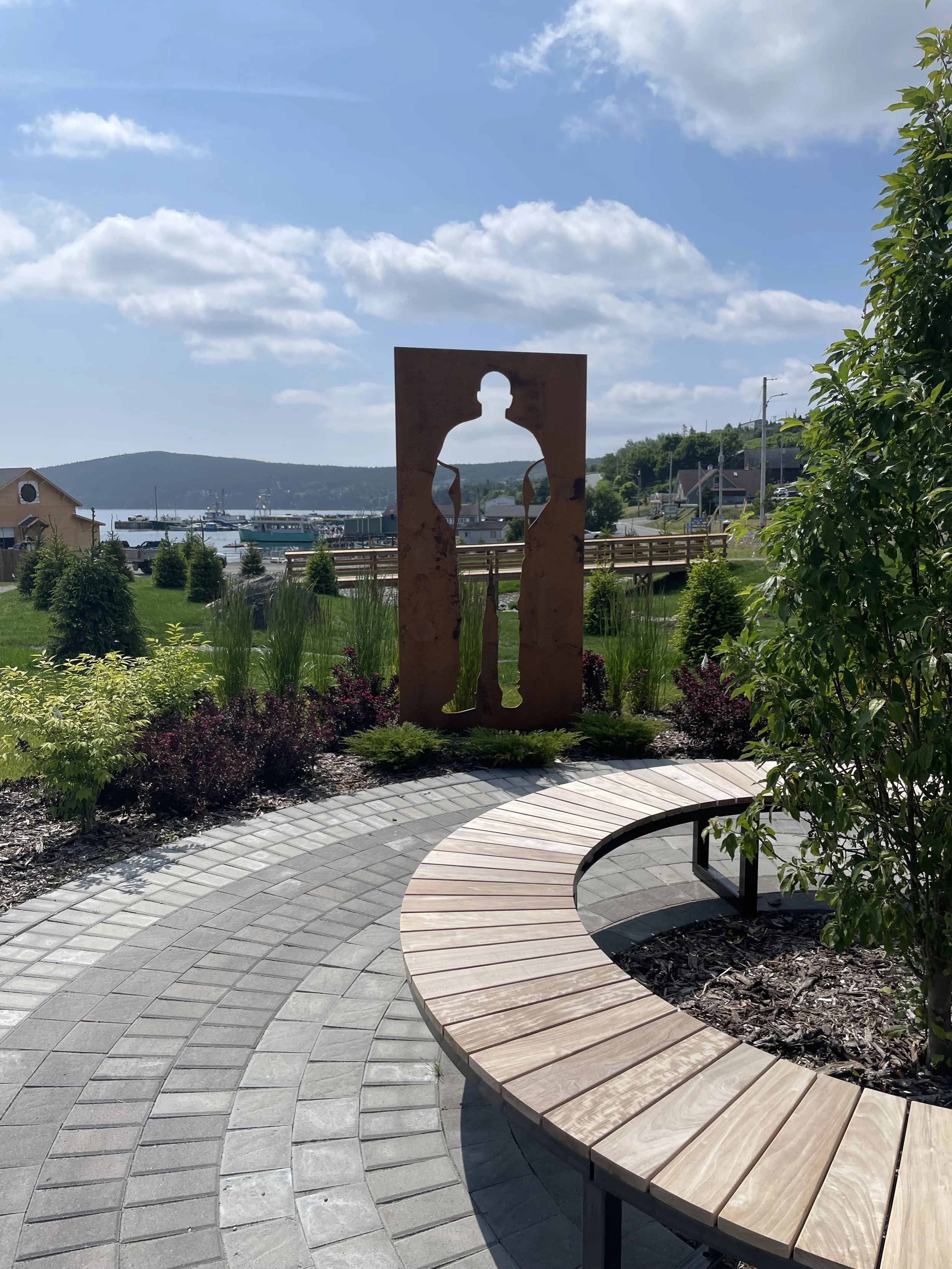
Jacob Puddister Memorial Park (artist: Mills & Wright).
One of the things that continues to inspire us is the constant opportunity to solve new and evolving problems. Communities are always changing, and with that comes new challenges and possibilities - whether it’s climate change adaptation, reconciliation, inclusion, housing or suburban growth. That variety is one of the most rewarding parts of the profession. No two projects are ever the same. Working with different communities, landscapes and stakeholders keeps the work fresh and continually pushes us to learn and grow. While the issues we address continue to evolve, the core goal remains the same: creating meaningful places that improve people’s quality of life and strengthen communities.
Over time, we’ve also seen a growing appreciation for the value landscape architects bring to projects. Our collaborative approach and our ability to connect different disciplines, systems and pieces of the built environment into a cohesive whole is a big part of that value. I think one of our greatest strengths is the ability to see the bigger picture while still paying close attention to the details, and that balance has remained a constant throughout everything we do.
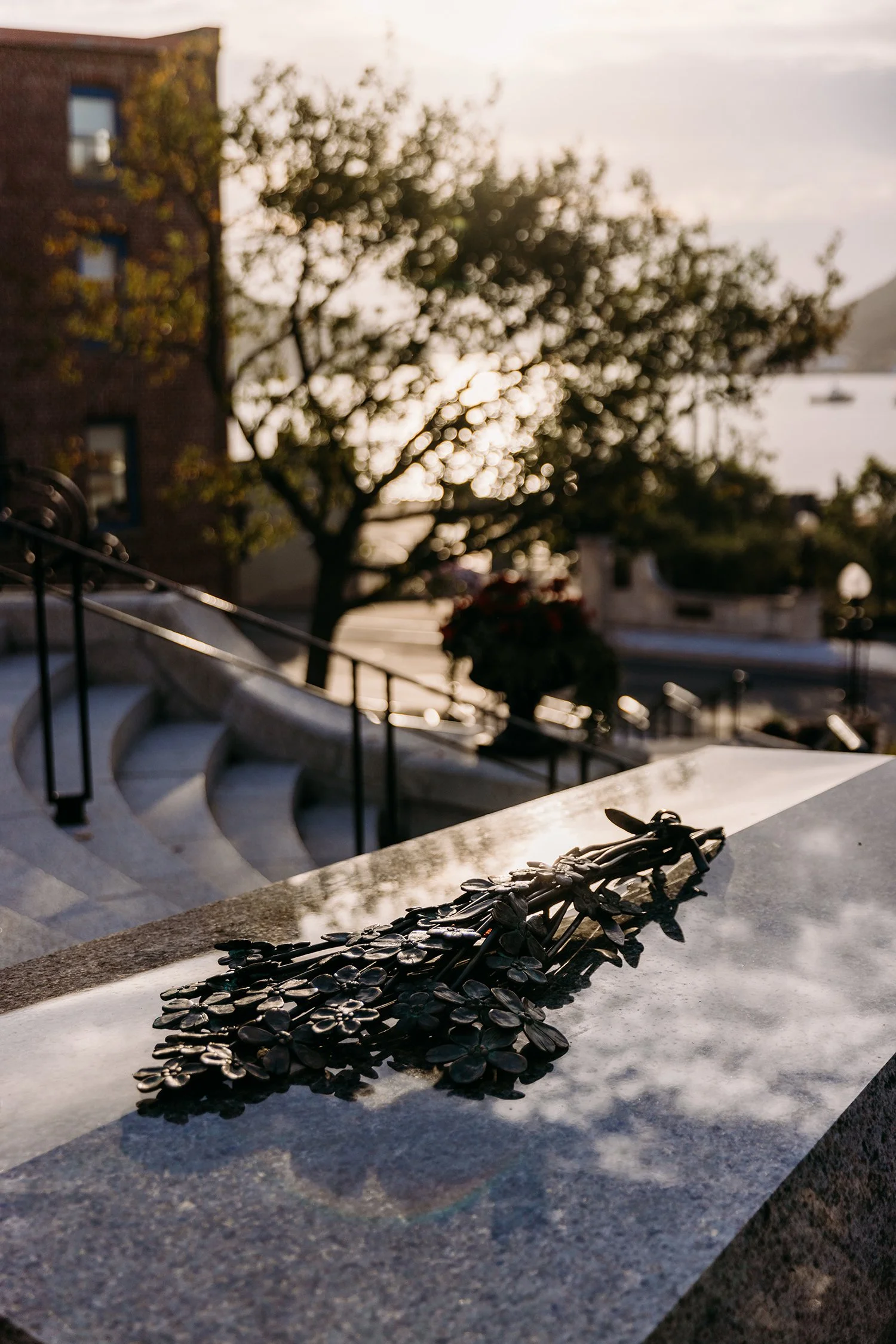
National War Memorial (artist: Morgan McDonald), downtown St. John’s.
Is your municipality or organization considering incorporating public art into your next project? Check out our website for public art resources and toolkits, including our new Unlocking Public Art in NL: Public Art Funding and Planning Primer, which outlines practical approaches to funding, multi-sector partnerships and strategic planning.