Guest Spotlight: Dave Lank on Lessons from Business and Arts NL's Creativity & Innovation Summit
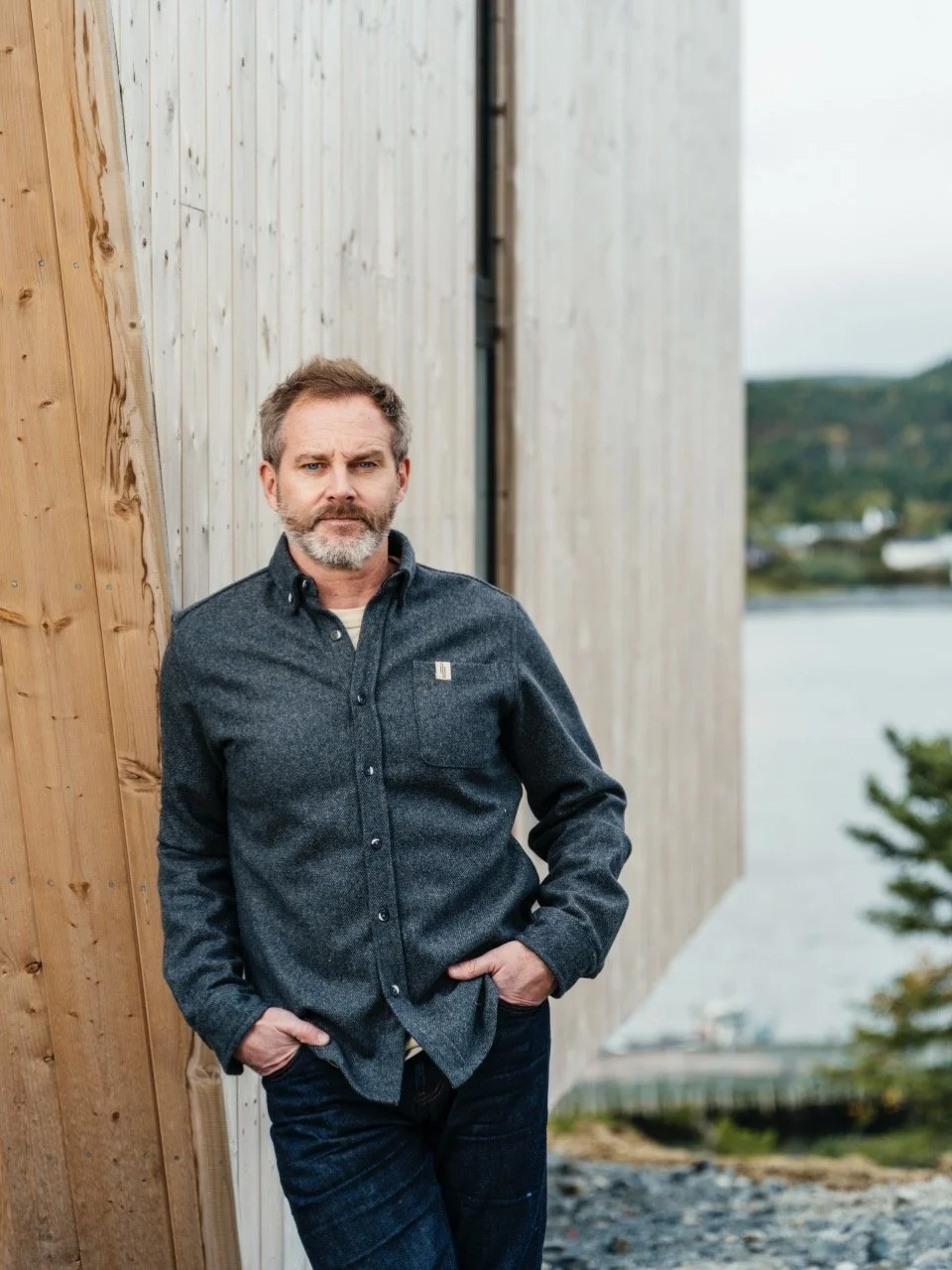
photo of Dave Lank by Johnny C.Y. Lam
Guest Spotlight
We’re pleased to launch a new initiative for our Spotlight Blog: inviting leaders and collaborators from across our community to share their own perspectives. To open this series, we’re delighted to feature a guest post from Dave Lank, Co-Owner of The Cape, reflecting on the insights and through-lines he found at our 2025 (Un)Common Threads Creativity & Innovation Summit. This new Guest Spotlight series will offer lived experiences, practical wisdom, and diverse viewpoints on what it takes to build meaningful creative work in Newfoundland and Labrador.
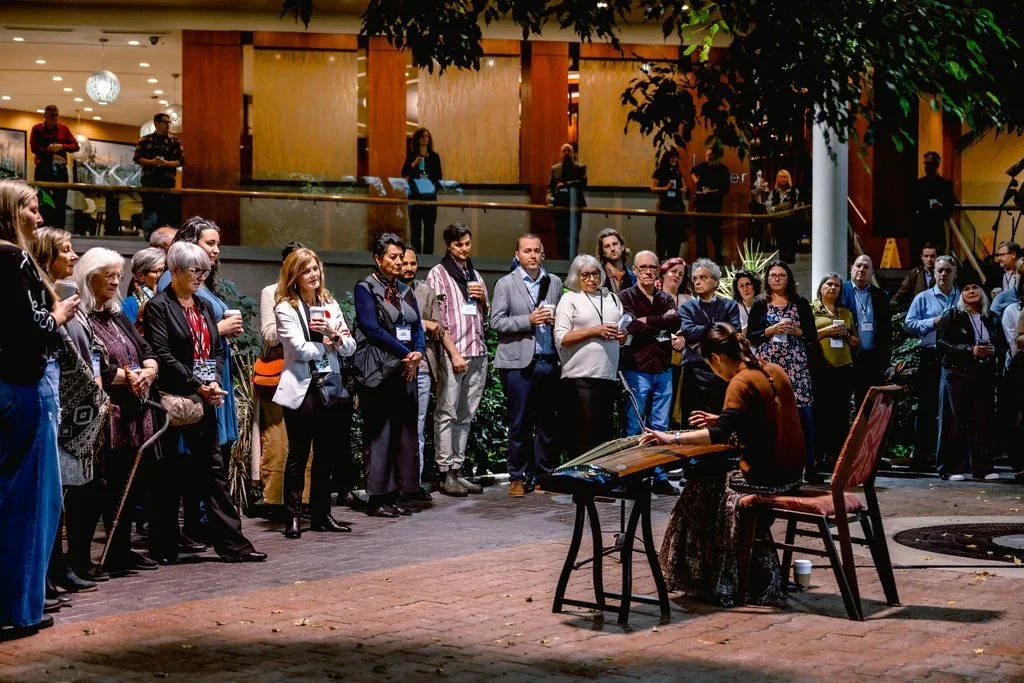
photo of performance by Jing Xia by Ritche Perez
Three Speakers, One Thread: What Actually Makes Creative Work Happen
Lessons from Business and Arts NL's Creativity & Innovation Summit
By Dave Lank, Co-Owner, The Cape
Business & Arts NL's Creativity & Innovation Summit on November 4th brought three renowned creatives to the Sheraton’s stage - an architect, a choral conductor, and a broadcaster. Each came from different worlds, but they kept landing in the same place about how creative work actually happens. Creativity isn't mystical. When distilled, it's about practice, choices, and courage.
Work With What You Have
Architect Todd Saunders builds beautiful things in hard places - rural sites, remote locations where you're starting from scratch (think Fogo Island Inn and you get the picture). When he talks about creativity, he doesn't romanticize it.
"Creativity is not something that you're given," he said. "A lot of people are given talent and they piss it away. They don't have the mindset to deal with talent."
Saunders talked about gardening. You get tools - some natural, some learned - and you choose what to cultivate. What to water, what to pull out. In Newfoundland and Labrador, he said, creativity has always been in the hands, as it should be. He breaks the ideal creative process into a formula: Seventy percent physical, visceral, felt. Thirty percent rational thinking. "You need to feel your way ahead."
Early in his career, someone asked for his business card. He didn't have one. But he'd just built a cabin in the woods. That cabin became his card. "Work with what you have and move forward," he said. Life is short. Get comfortable with risk.
That landed. Our team is building a new hospitality retreat in rural Newfoundland called The Cape. We're not copying what works elsewhere. We're starting with what's here - the landscape, the community, the local makers and suppliers who know this place.
Create Conditions for Trust
Kellie Walsh is the Artistic Director of Shallaway Youth Choir, which comprises over 400 choristers in nine ensembles, alongside a team of over 15 music educators. In her talk, she flipped the usual thinking about conductors.
"When people think of conductors," she said, "I imagine many people associate conductors with control." But that's not how it works. Following isn't about control. It's about trust. Showing you're listening, that you have a vision worth pursuing together, that you'll change when the music demands it.
The conductor doesn't make the sound. The conductor creates space where everyone else does their best work. That takes vulnerability and flexibility.
She admitted she'd never really examined what creativity means, even though she uses the word constantly. When she did, she landed on motion. Creativity sets things moving. It's a catalyst.
"Leadership and creativity are really deeply connected," she said. Both require vision and trust. Both require asking people to follow you into something that doesn't exist yet.
photo of Tom Power by Ritche Perez
Stay Curious
Host of CBC’s Q, Tom Power stood on stage and said he was nervous. Standing in front of his hometown audience talking about his own work instead of interviewing someone else felt strange. That honesty set the tone.
He's built his career on conversation. Thousands of interviews with people who've mastered their craft. His main tool is simple: curiosity.
"I've never had a conversation with a guest that I haven't learned something from," he said.
Power talked about asking "dumb questions." Being willing to not know. Following real interest instead of trying to look smart. His tools for creative work: preparation, curiosity, presence, compassion. Nothing groundbreaking. Just practiced intentionally over time.
He traced his path back to Shalloway of all places. It’s where he found music. It wasn't just access to singing. For him, the choir helped form identity and build skill. He felt he belonged because he was doing something well with other people.
Making Together
Throughout the day, artist Rebecca Feaver created “Woven Narratives” and invited people to participate - adding felt pieces to the work as it evolved. The art wasn't finished when the day started. It became complete through everyone's hands.
That's a very different experience than observing a completed work hanging on a gallery wall. You were there. You touched it. You changed it. Together, attendees became part of, and added to, a story.
What We're Carrying Forward
Sam Follett, my Co-Owner at The Cape, said the summit left her thinking about areas in her life beyond creativity. The vulnerability and honesty from the speakers - you could feel it in the room.
Alex Blagdon, our Culinary Director, noticed the humanity in each speaker. People who've built serious careers talking openly about learning, about challenges, about the accountability it takes to make work that matters.
We're trying to build The Cape the way these three described their work. Starting with what's actually here. Creating space for the people we work with - builders, makers, suppliers - to do what they do best. Staying curious about place and community. Inviting people to participate, not just observe.
Work with what you have. Build through trust, not control. Stay curious.
None of it is complicated. But it all takes practice and courage.